Tsugaru Strait

Tsugaru Strait is, in my view, one of the two toughest swims in the Oceans Seven challenge. Not because of distance alone, but because of uncertainty. You simply never know what conditions you’ll be given on swim day—and even when conditions allow a start, they rarely stay consistent. Winds shift, currents change direction, and water conditions can transform multiple times across a single crossing. Add to that the reality that getting a genuinely swimmable day within your allocated slot is often closer to a miracle than good luck.

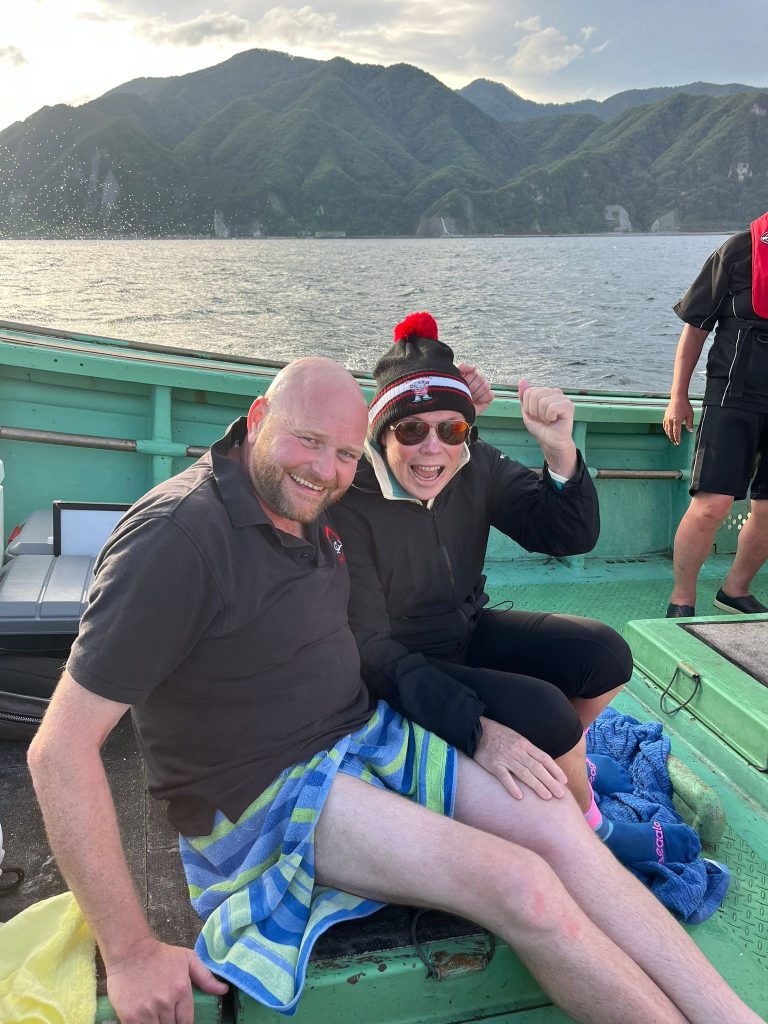
I tackled Tsugaru Strait on my mum’s 80th birthday exactly five years to the day since I began my Oceans Seven journey. That coincidence alone brought emotional weight, but it was far from the only reason this swim mattered so deeply. I was coming off a ten-week training block following surgery and recovery from the cookiecutter shark bite I sustained in the Molokai Channel at the end of March. It was also just three months after my dad passed away. Physically, emotionally and mentally, this swim arrived with a point of real uncertainty for me. I wasn’t completely sure I had the fitness I wanted or the mental strength I would need to deal with what Tsugaru might demand of me.
Once I was cleared by my doctor to return to swimming, I threw myself back into training. I didn’t have the luxury of a long, uninterrupted build, so every session mattered. Beyond fitness, my priority was open-water confidence. I made a deliberate effort to get as many ocean swims into my training schedule in Abu Dhabi before the water warmed up too much. After my experience in Molokai, I knew I did not want Tsugaru to be my first open water swim.
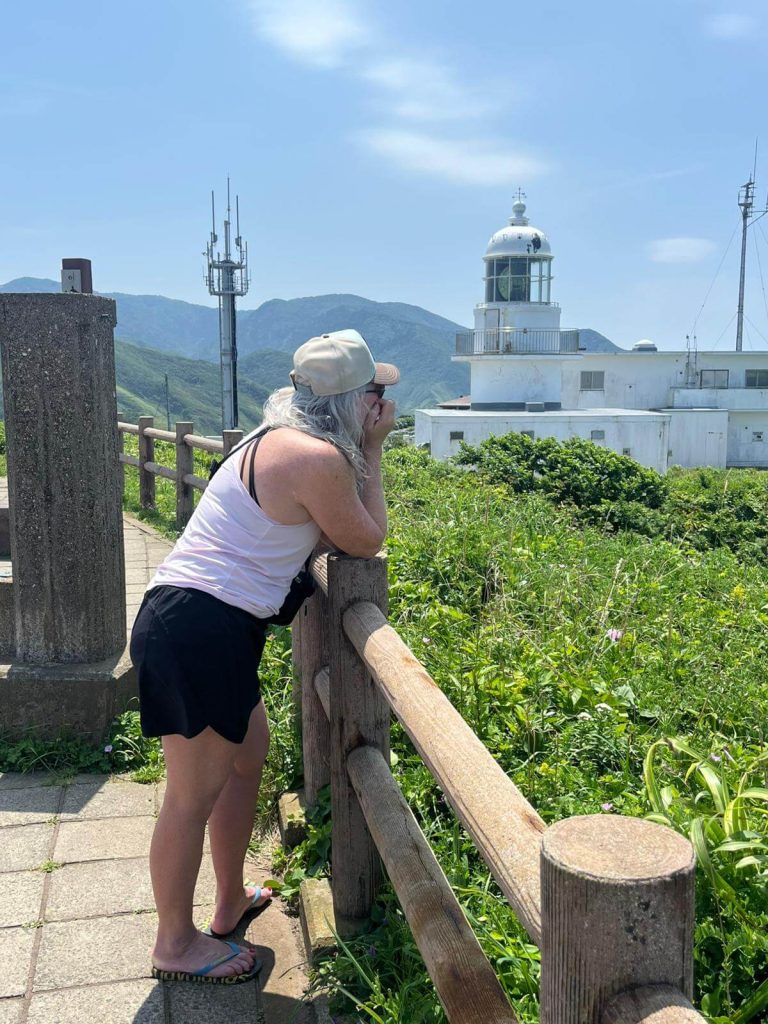
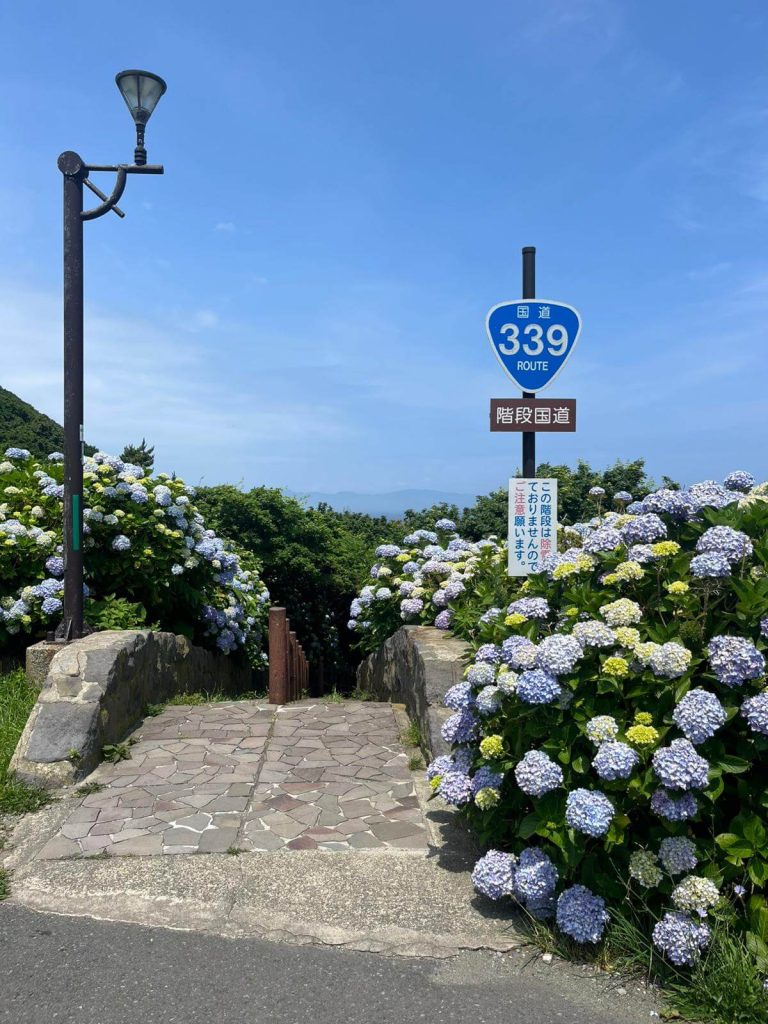
This swim has developed a bit of a bad reputation over the past few years earlier with swimmers travelling to Japan only to be unable to cross or not even get a swimmable day. By July 2025 a new association had taken over with a very different approach. While, in my view, the process was extremely pedantic and administratively intensive, once I arrived in Japan my experience was nothing short of fantastic. Like Molokai, Tsugaru is a logistical challenge and easily one of the most expensive swims of the Ocean Seven. Getting from Tokyo to the swim start isn’t straightforward, accommodation near the swim start is limited and you definitely need your own transport as the start location is quite rural. A translator is essential but adds to the cost.
That said, my stay in [insert town name] was outstanding—and in my opinion, the best place to stay. I could walk straight out of my accommodation and be on the wharf, which made everything easier. Not only was it the best in terms of being right near the wharf, but it was a traditional Japanese Inn which made my swim and experience very authentic.
Swim day started early—3:00 am. Up for breakfast and a quick trip to the 24hr convenience store 10mins away for a hot coffee followed by a final check of everything back at the accommodation. From there it was straight across the road to load the boat up. I was lucky that one of our other RedTop swimmers had swum the previous tide and had provided me with some intel on the swim (even though conditions are never the same). I knew to expect a significant drop in water temperature on the back end of the swim. I also knew that Tsugaru is relentless in how rapidly and frequently the conditions change. This swim throws everything at you. Three boats left the dock that morning—three swimmers, all hopeful that the channel would deem us worthy enough to cross.
One of the rules for this swim is that you have from sunrise to sunset to complete the crossing. The pilots make the most of that by dropping swimmers into the water as the sun starts to spread across the horizon. The boat ride from the harbour to the start is short, so that time is spent preparing—sunscreen, grease (whatever form you use), and final hydration checks. There isn’t much time to think once you arrive. You get in and you go.
Conditions on my swim day were not great—something of a recurring theme in my swim life. There was plenty of chop and only a modest push of current, nothing overly helpful. With the traditional fishing boats sitting low in the water, I also had to contend with waves washing back across me as they rolled off the hull. It felt like swimming inside a washing machine. The pilot had me switch sides around the first hour, but it didn’t change anything, so I returned to my preferred side—right-side breathing and sighting off the boat.
Tsugaru didn’t disappoint. Goodness, this swim is tough. As we approached the middle of the channel, you could feel the energy shift—the point where two seas meet and clash. It felt like swimming through two systems colliding. An incredibly strange sensation. It’s also where the cold patches become noticeable. Swim day saw water temperatures around 24–25°C, which meant no hot drinks for me. It was around this time that fatigue began to creep in. I’d felt slightly underdone heading into the swim, and that was starting to show. From that point on, I spoke a lot to my dad—asking him to keep me going and to lend me the strength he showed in his final days so I could close the swim out.
I also think Matt was feeding me far too much sugar—but if that was what I needed to get through, then so be it. As we got closer to [insert ending], the colder the water became. The drop was significant—around 6°C. While the water was still roughly 18°C, after spending a large portion of the swim in 25°C it was noticeable. I had to remind myself that this was all relative. I had swum comfortably in 19°C before. Keep moving. One stroke, two stroke, keep moving forward
As with many of my swims, I eventually reached the point where I needed to lift and push hard. For around two hours I had to dig in, cut across the current, and get inshore—otherwise I wasn’t going to finish. This was do-or-die. My swim was hanging in the balance—50/50, Matt told me. I knew this moment. I’d been here before. I did what I could and picked up the pace.
Around the same time, pain began building in my right shoulder. It wasn’t easing—it was getting worse. I mentioned it to Matt during a feed, but stopping was never an option. During later feeds he reminded me, “What would Kate say?” I knew exactly what she would say: “Jo, you know you can do tough things.” He also kept repeating, “You’re moving forward—keep moving forward.” So I did. I knuckled down, pain aside. I was too close. There was no way I was coming back to Japan. I was finishing this swim—on my mum’s 80th birthday, and five years since I started this journey. It was bittersweet; had everything gone to plan this would have been my final swim, but that wasn’t how it unfolded. All that mattered now was finishing.
With daylight still on my side, I kept moving forward. Thirteen hours and 15 mins later Matt jumped into the water and guided me to the finish—a rock on the [insert side]. Swim done. Thank God.
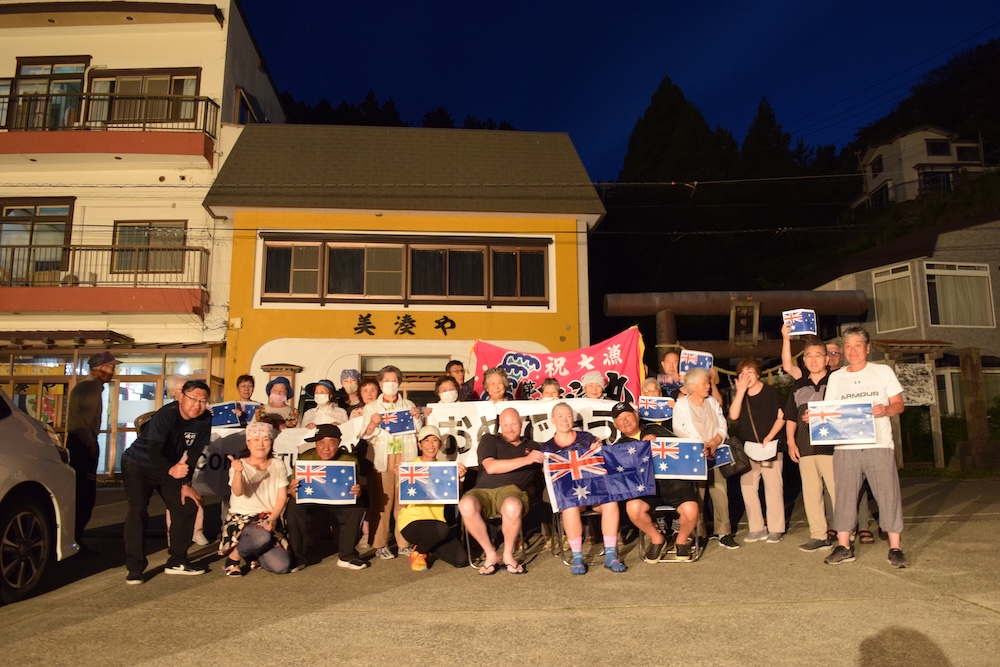
Back on the boat, Matt helped me get dressed and warm. This swim—aside from the North Channel—required every tool in my toolbox and then some. I was in considerable pain from my shoulder (later diagnosed as a small tear), emotional as I thought of my dad and my mum’s milestone birthday, and deeply grateful that the channel had allowed me to cross. Back in [insert town], a small welcoming group from the association and local community were waiting—flowers, smiles, and kindness. A thoughtful end to the swim, and a perfect reflection of my time in [insert town].